
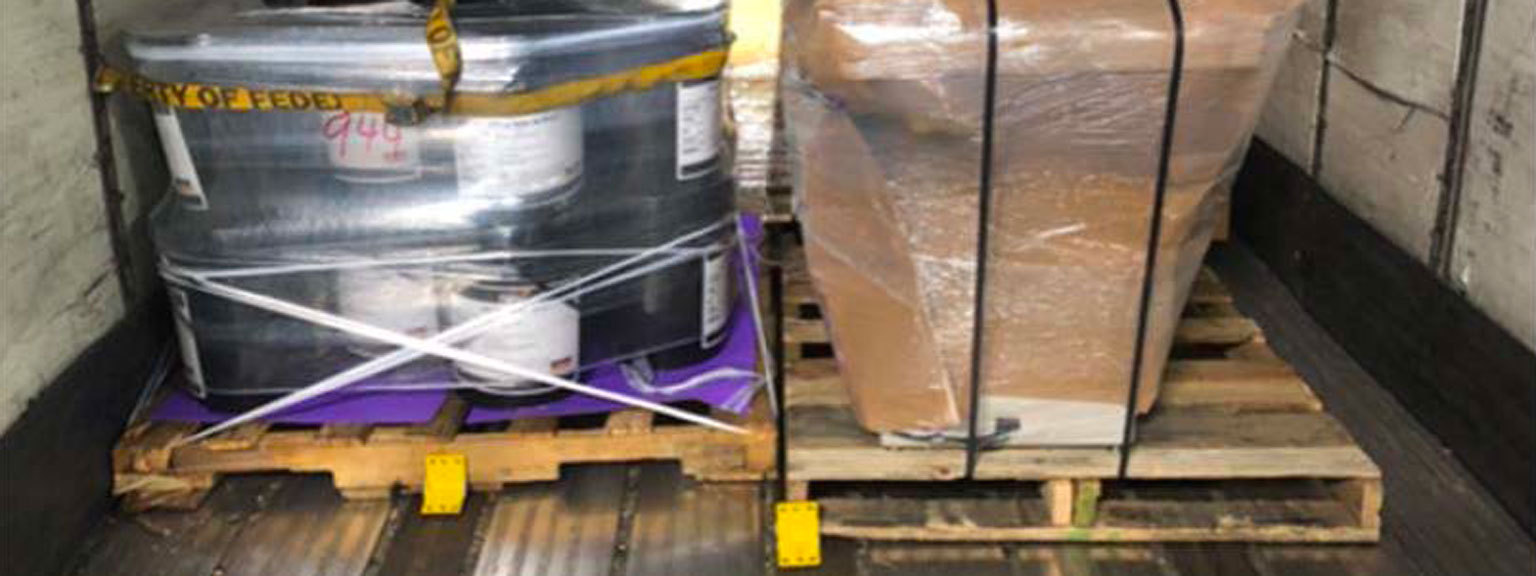
Mixed freight, different pallet sizes, weights, and product types in the same trailer, creates securement challenges that single-product loads don’t face. A method built around one uniform pallet size often breaks down when the load isn’t uniform. This article covers what actually holds up across a mixed load. Why Mixed Freight Is Harder to Secure […]
Read more →Insights & Industry Knowledge
The KICK STOPS
Field Guide.
Load patterns, freight securement best practices, sustainability, and everything in between. Real knowledge from the team that built the system.
Category: Cargo Restraint
Cargo RestraintPosted on
What Load Securement Device Works on Metal Trailer Floors?
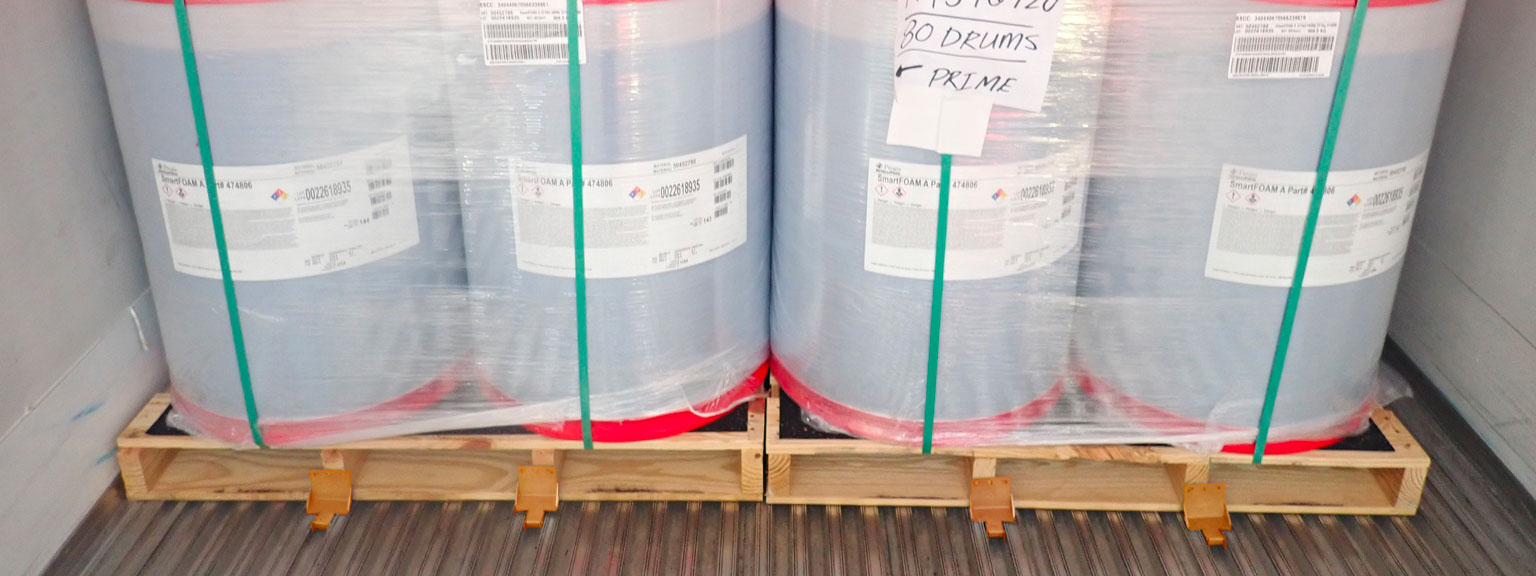
Metal trailer floors, most common in refrigerated trailers, require a different installation approach than wood floors. A device built for wood floor grip will not perform the same way on a metal or hat channel floor. This article covers what to use, and why floor type changes the device, not the outcome. Why Metal Floors […]
Read more →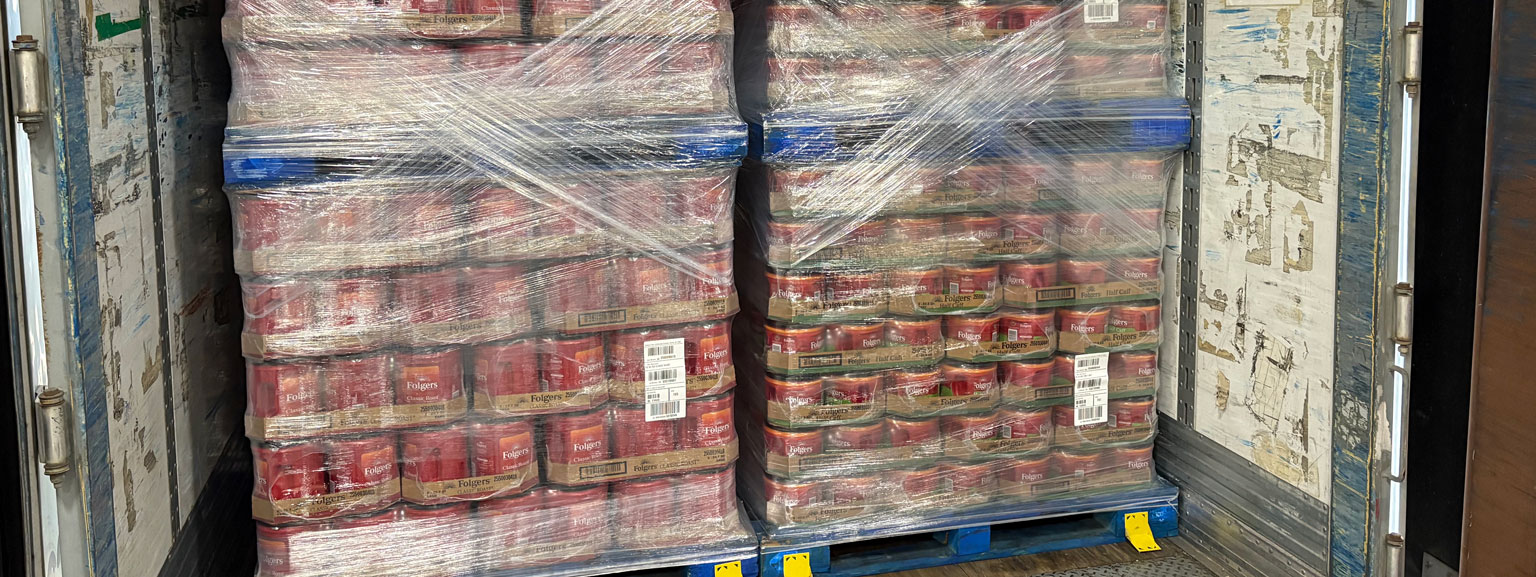
Cargo RestraintPosted on
How to Secure Double-Stacked Pallets in Refrigerated and Dry Van Trailers
Double-stacked pallets are one of the highest-risk load configurations in enclosed trailer shipping, in both refrigerated and dry van trailers. The added height increases leverage on any gap or shift, which means a small amount of movement at the base can produce a large amount of movement at the top. This article covers what actually […]
Read more →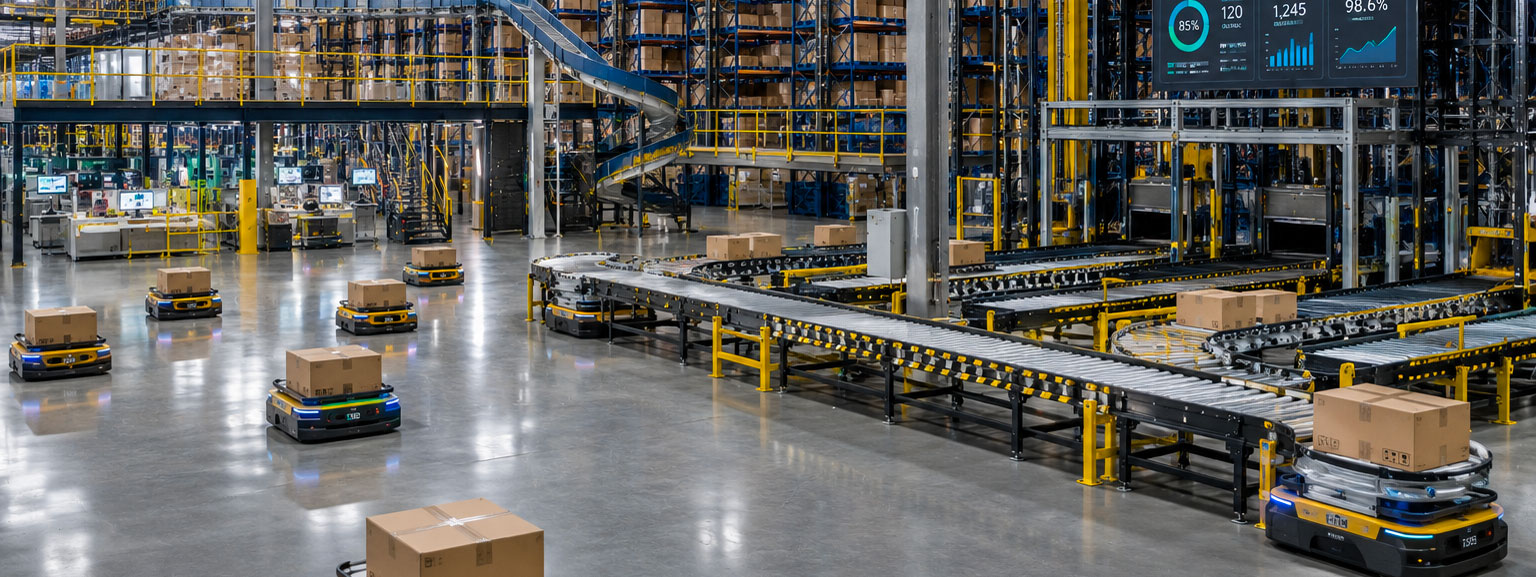
Cargo RestraintPosted on
The Automation Revolution Has a Blind Spot. It’s Called the Trailer Floor.
Something has been happening across food and beverage distribution, and it is hard to miss. Major retailers and manufacturers are announcing automated facilities at a pace not seen in years. Robotics, AI-powered fulfillment, machine vision, autonomous vehicles inside the warehouse. The inside of a modern distribution center looks nothing like it did a decade ago. […]
Read more →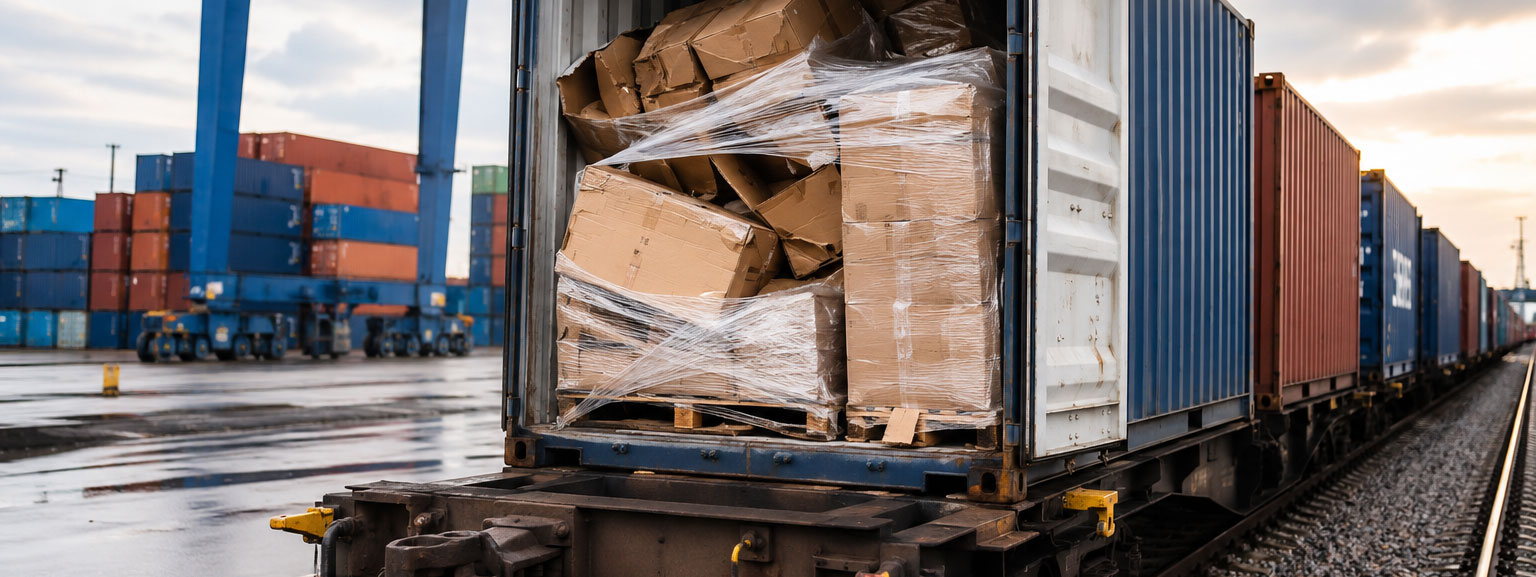
Cargo RestraintPosted on
What Causes In Transit Freight Damage on Intermodal Lanes?
Intermodal freight lanes consistently produce higher damage rates than over-the-road lanes. Most operations know this. Fewer understand exactly why. And fewer still address the root cause at the right point in the process. What Makes Intermodal Lanes Different? An intermodal shipment moves on more than one mode of transportation, typically a combination of truck and […]
Read more →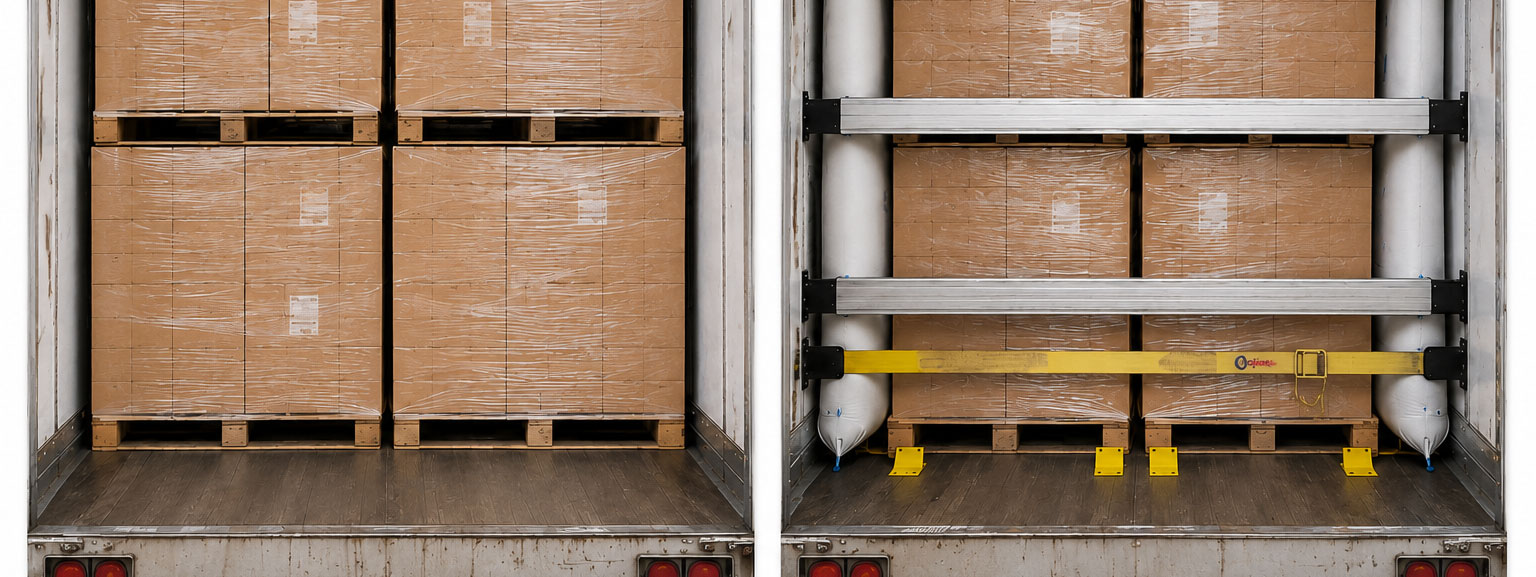
Cargo RestraintPosted on
What Is the Difference Between Load Design and Cargo Securement?
If you have ever had a load shift in transit, you may have assumed the securement failed. In most cases, the securement was never the problem. The load design was. Load design and cargo securement are two distinct things. Most operations treat them as one. That confusion is where most in transit damage starts. What […]
Read more →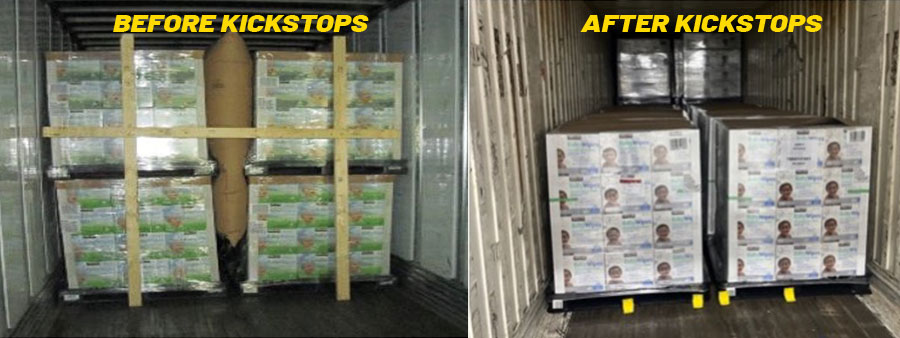
Cargo RestraintPosted on
How a Leading Baby Wipes Manufacturer Eliminated 250,000 lbs of Dunnage Annually
In supply chain, the problems that cost the most are rarely the ones that get the most attention. Dunnage is a perfect example. Airbags, wood 2x4s, cardboard. Most facilities treat these as a fixed cost of doing business. You need to fill the void, you buy the materials, you load the trailer, and you do […]
Read more →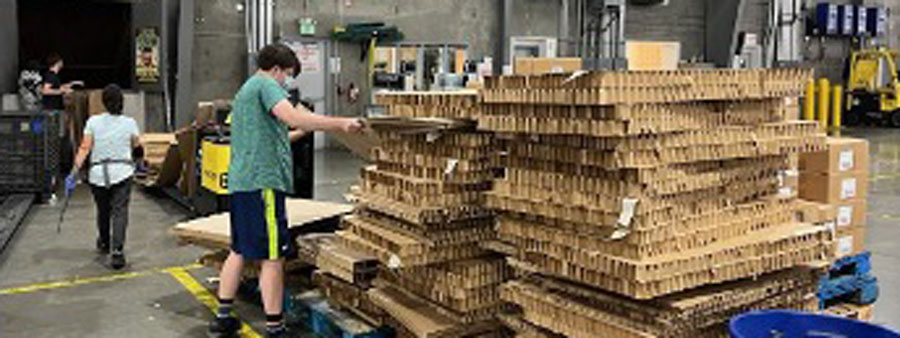
Cargo RestraintPosted on
What Is Load Securement Actually Costing You? (Most Operations Don’t Know)
Ask a supply chain director what they spend on load securement and you’ll usually get one number: the dunnage line item. Airbags, cardboard, bars, 2x4s. Whatever shows up on the purchasing report. That number is real. It’s also incomplete by roughly half. The true cost of load securement has four components, and most operations are […]
Read more →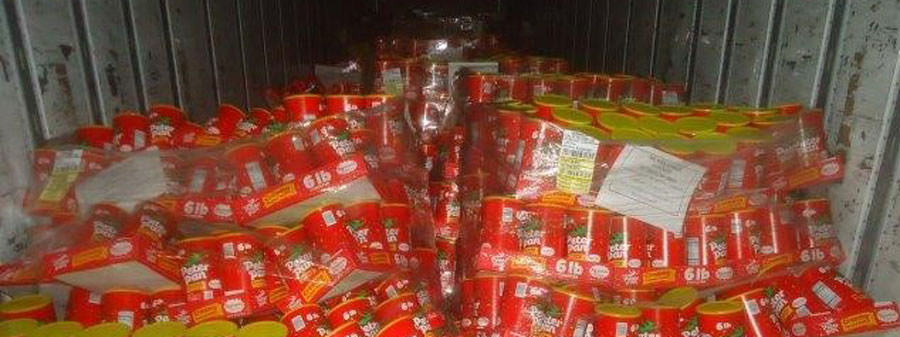
Cargo RestraintPosted on
Why Do Pallets Shift in Transit? (And What It’s Actually Costing You)
You’ve seen it. Trailer doors open at the dock and instead of tight, clean rows, you’re staring at a leaning mess. Pallets walked, product shifted, maybe a toppled load. The driver shrugs. Someone mutters about road conditions. And the cost of that moment quietly hits your P&L in three or four different places before anyone […]
Read more →