
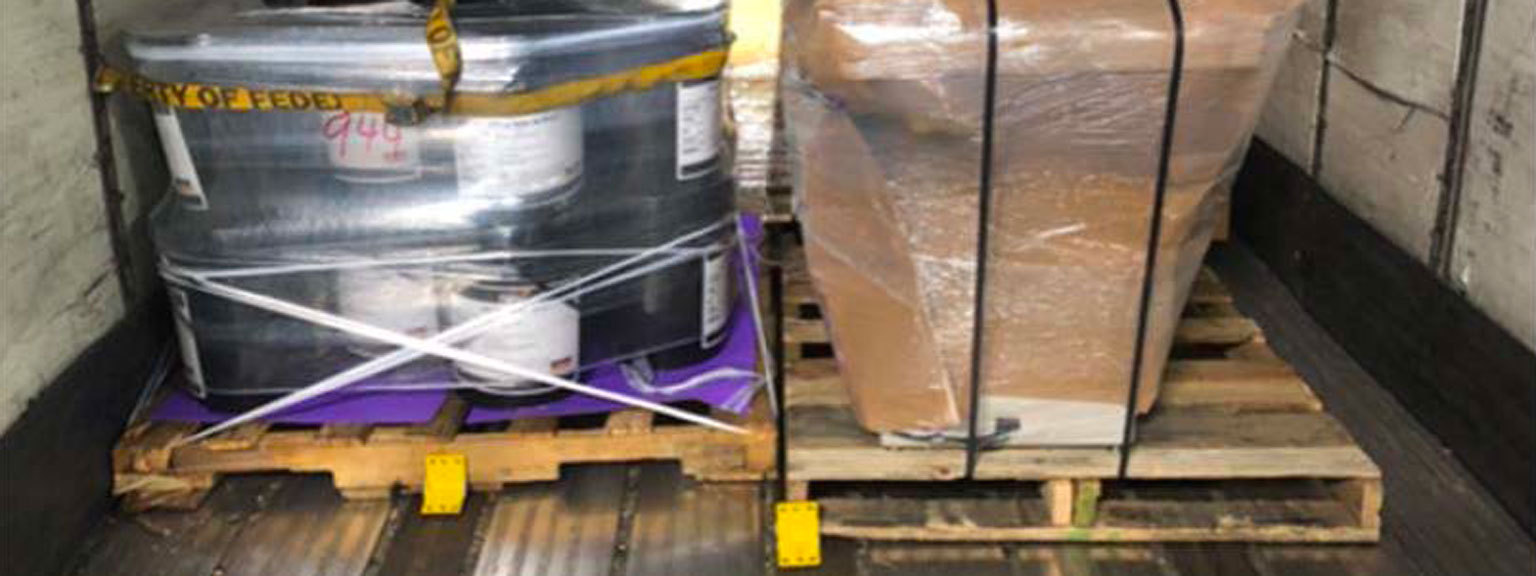
Mixed freight, different pallet sizes, weights, and product types in the same trailer, creates securement challenges that single-product loads don’t face. A method built around one uniform pallet size often breaks down when the load isn’t uniform. This article covers what actually holds up across a mixed load. Why Mixed Freight Is Harder to Secure […]
Read more →Insights & Industry Knowledge
The KICK STOPS
Field Guide.
Load patterns, freight securement best practices, sustainability, and everything in between. Real knowledge from the team that built the system.
Cargo RestraintPosted on
What Load Securement Device Works on Metal Trailer Floors?
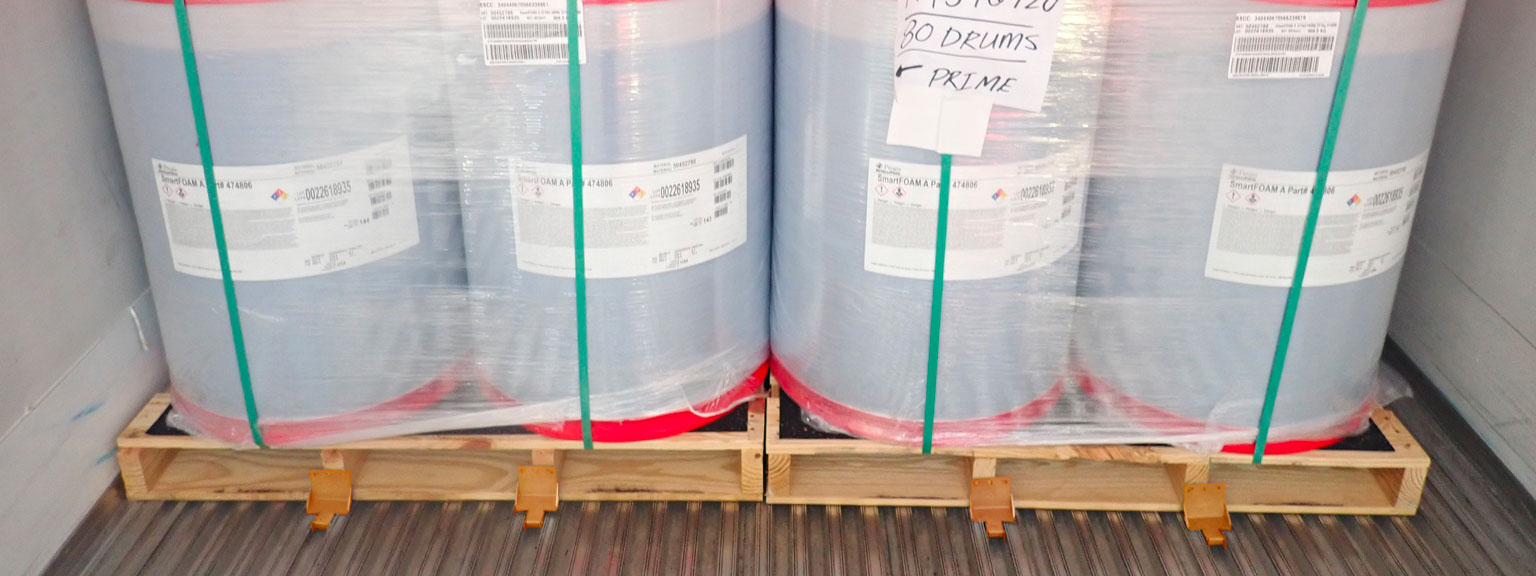
Metal trailer floors, most common in refrigerated trailers, require a different installation approach than wood floors. A device built for wood floor grip will not perform the same way on a metal or hat channel floor. This article covers what to use, and why floor type changes the device, not the outcome. Why Metal Floors […]
Read more →
DunnagePosted on
Sustainable Alternatives to Dunnage Airbags
Dunnage airbags are one of the most widely used load securement materials in enclosed trailer shipping. They are also single-use plastic products that generate disposal cost, landfill waste, and growing pressure from retailers and regulators who are actively tracking packaging and dunnage waste across their supply chains. For operations looking for a load securement option […]
Read more →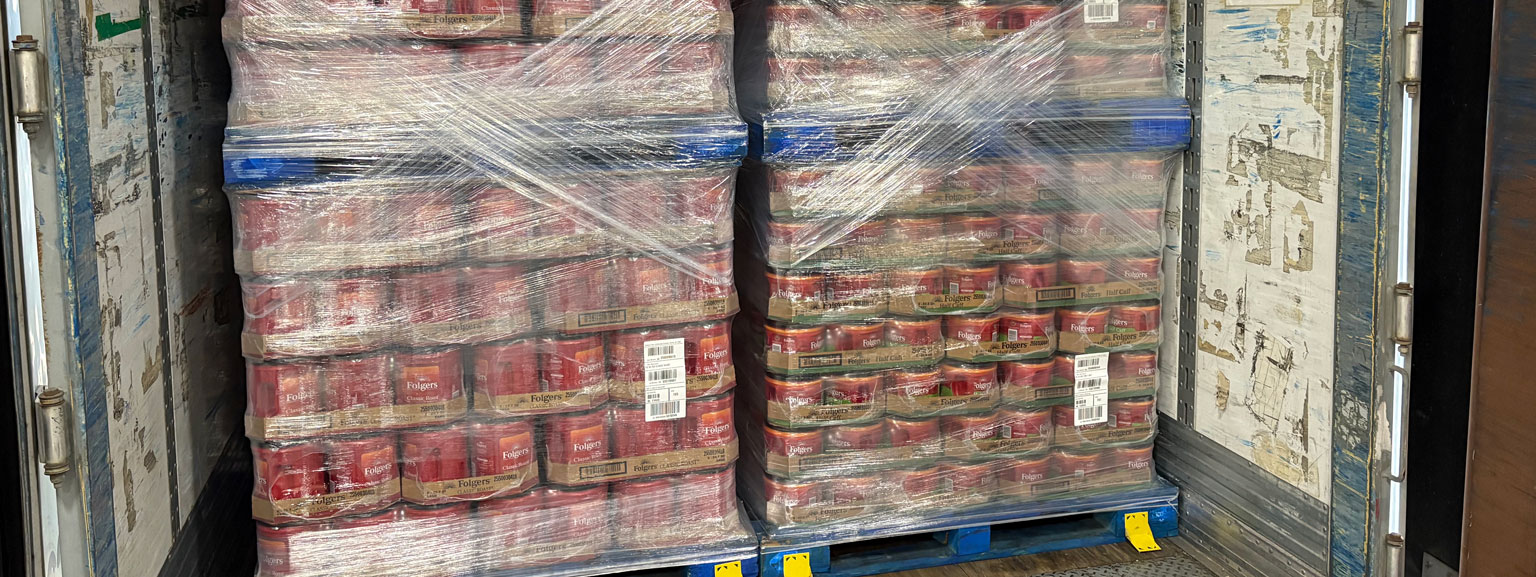
Cargo RestraintPosted on
How to Secure Double-Stacked Pallets in Refrigerated and Dry Van Trailers
Double-stacked pallets are one of the highest-risk load configurations in enclosed trailer shipping, in both refrigerated and dry van trailers. The added height increases leverage on any gap or shift, which means a small amount of movement at the base can produce a large amount of movement at the top. This article covers what actually […]
Read more →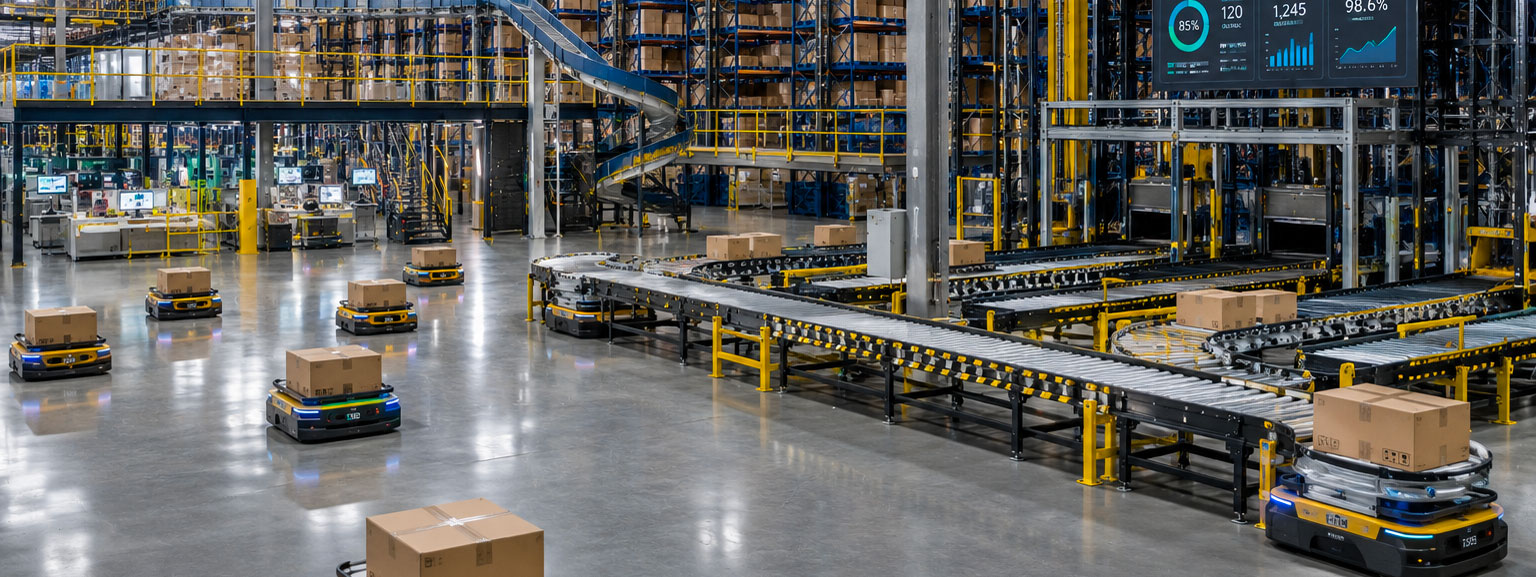
Cargo RestraintPosted on
The Automation Revolution Has a Blind Spot. It’s Called the Trailer Floor.
Something has been happening across food and beverage distribution, and it is hard to miss. Major retailers and manufacturers are announcing automated facilities at a pace not seen in years. Robotics, AI-powered fulfillment, machine vision, autonomous vehicles inside the warehouse. The inside of a modern distribution center looks nothing like it did a decade ago. […]
Read more →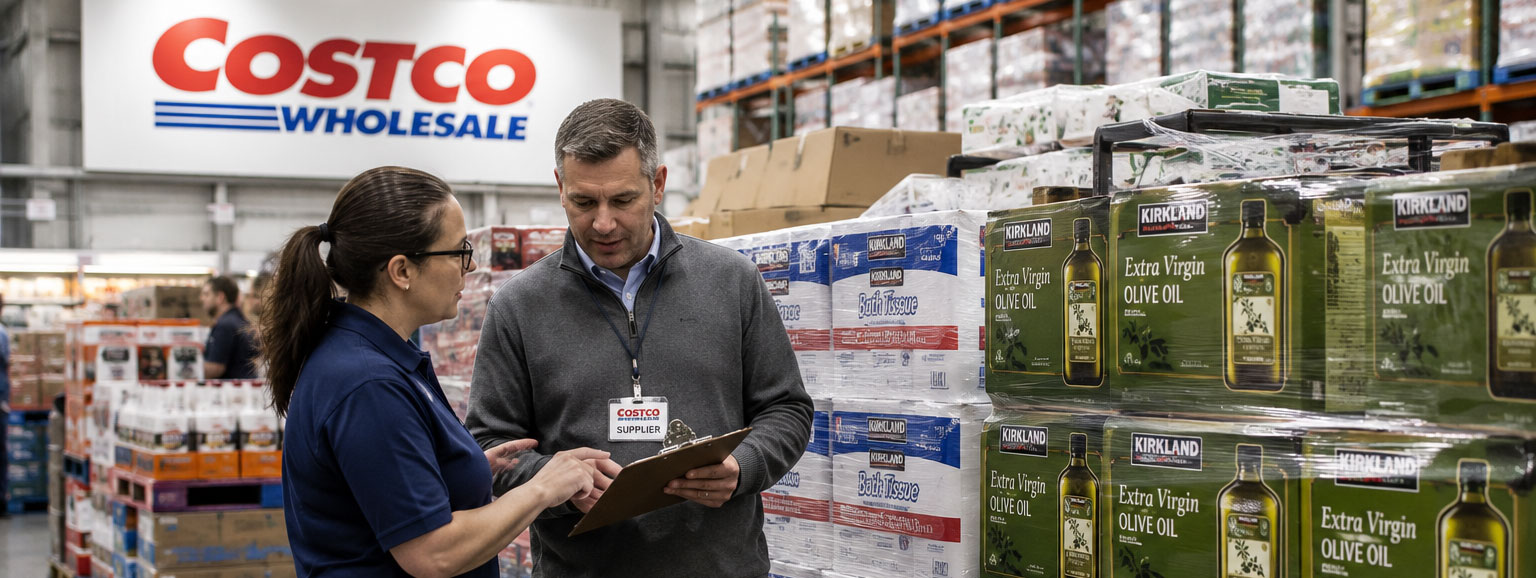
DunnagePosted on
What Dunnage Do Costco Suppliers Need to Know About?
Getting into Costco is hard. Staying in Costco requires consistent execution on every load that ships to their receiving docks. For suppliers, one of the most consequential and least discussed parts of that execution is dunnage. What Is Dunnage? Dunnage is any material used to protect and stabilize freight inside a trailer during transit. Traditional […]
Read more →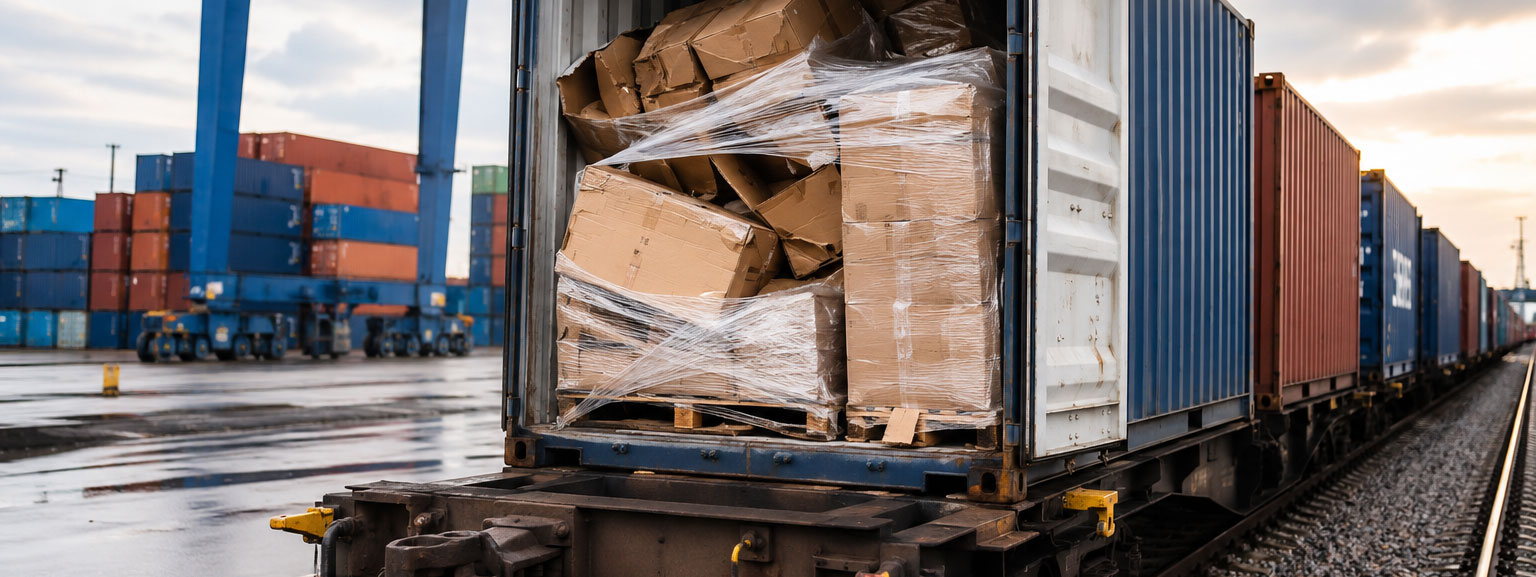
Cargo RestraintPosted on
What Causes In Transit Freight Damage on Intermodal Lanes?
Intermodal freight lanes consistently produce higher damage rates than over-the-road lanes. Most operations know this. Fewer understand exactly why. And fewer still address the root cause at the right point in the process. What Makes Intermodal Lanes Different? An intermodal shipment moves on more than one mode of transportation, typically a combination of truck and […]
Read more →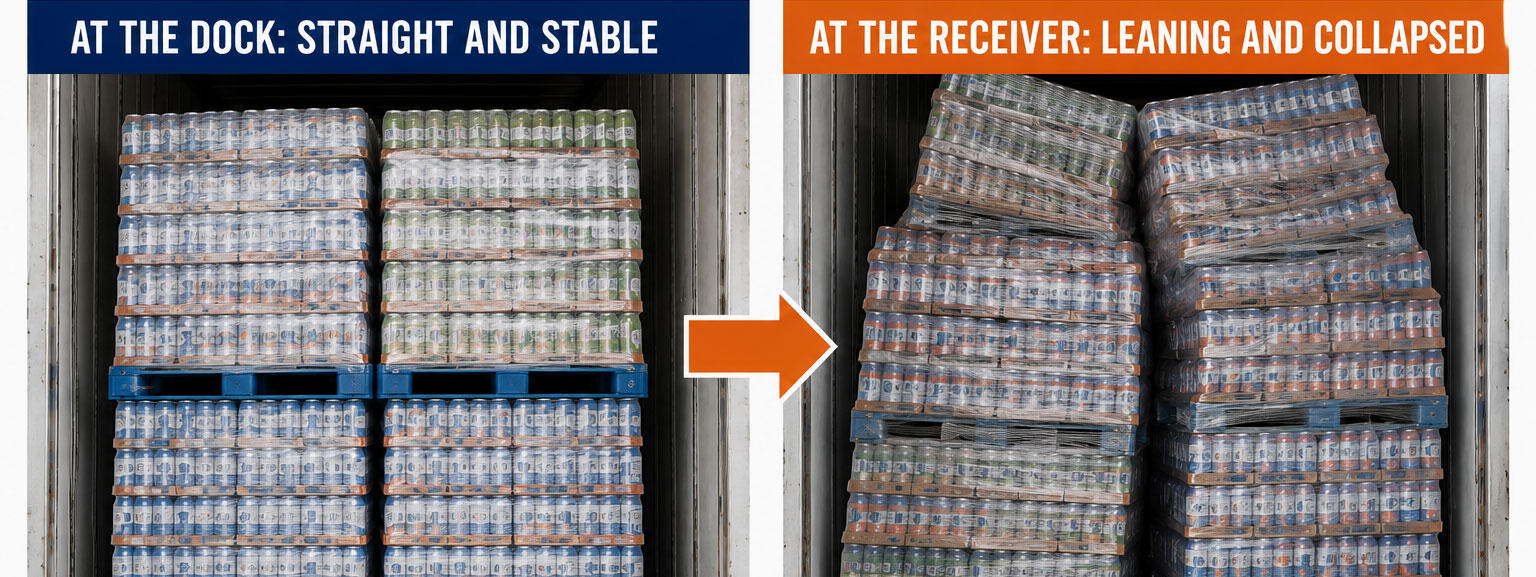
Load PatternsPosted on
What Causes Pallet Pyramiding and How Do You Prevent It?
Pallet pyramiding is one of the most common types of freight damage in food and beverage distribution. It is also one of the most preventable. And it almost always starts at the loading dock, not on the road. What Is Pallet Pyramiding? Pallet pyramiding occurs when the product on a pallet shifts and leans to […]
Read more →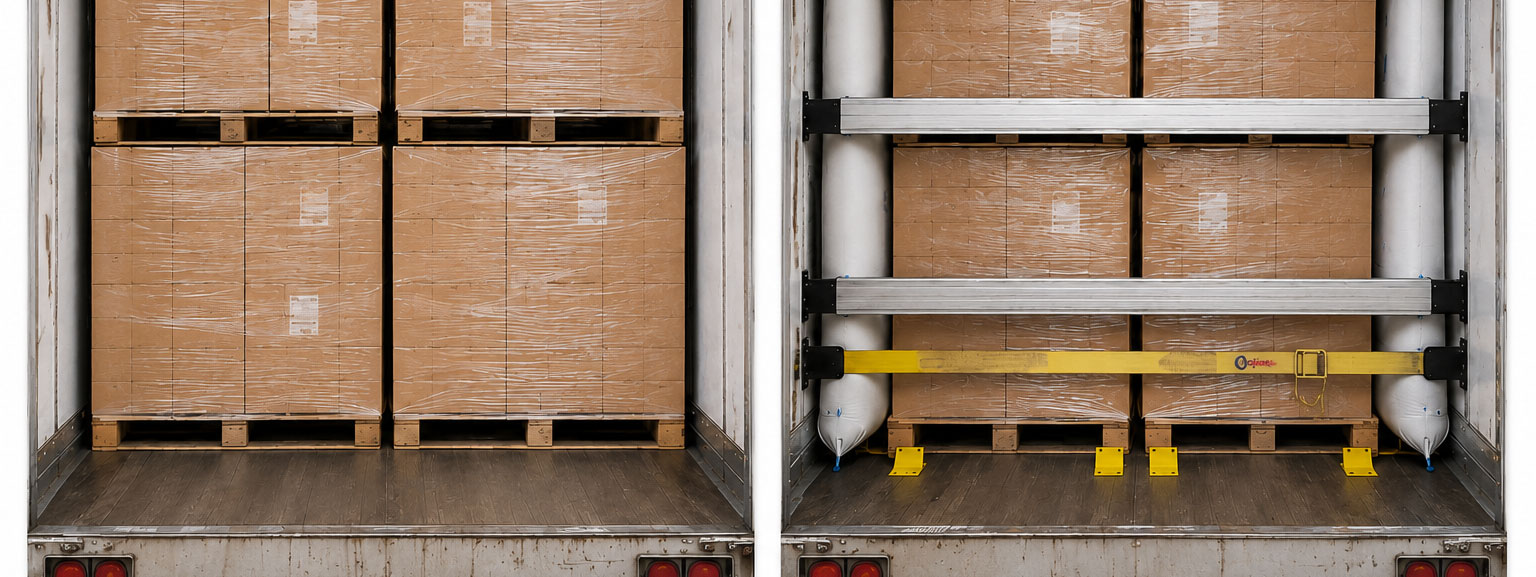
Cargo RestraintPosted on
What Is the Difference Between Load Design and Cargo Securement?
If you have ever had a load shift in transit, you may have assumed the securement failed. In most cases, the securement was never the problem. The load design was. Load design and cargo securement are two distinct things. Most operations treat them as one. That confusion is where most in transit damage starts. What […]
Read more →